How Weather Changes Affect the Need for Pest Control Services
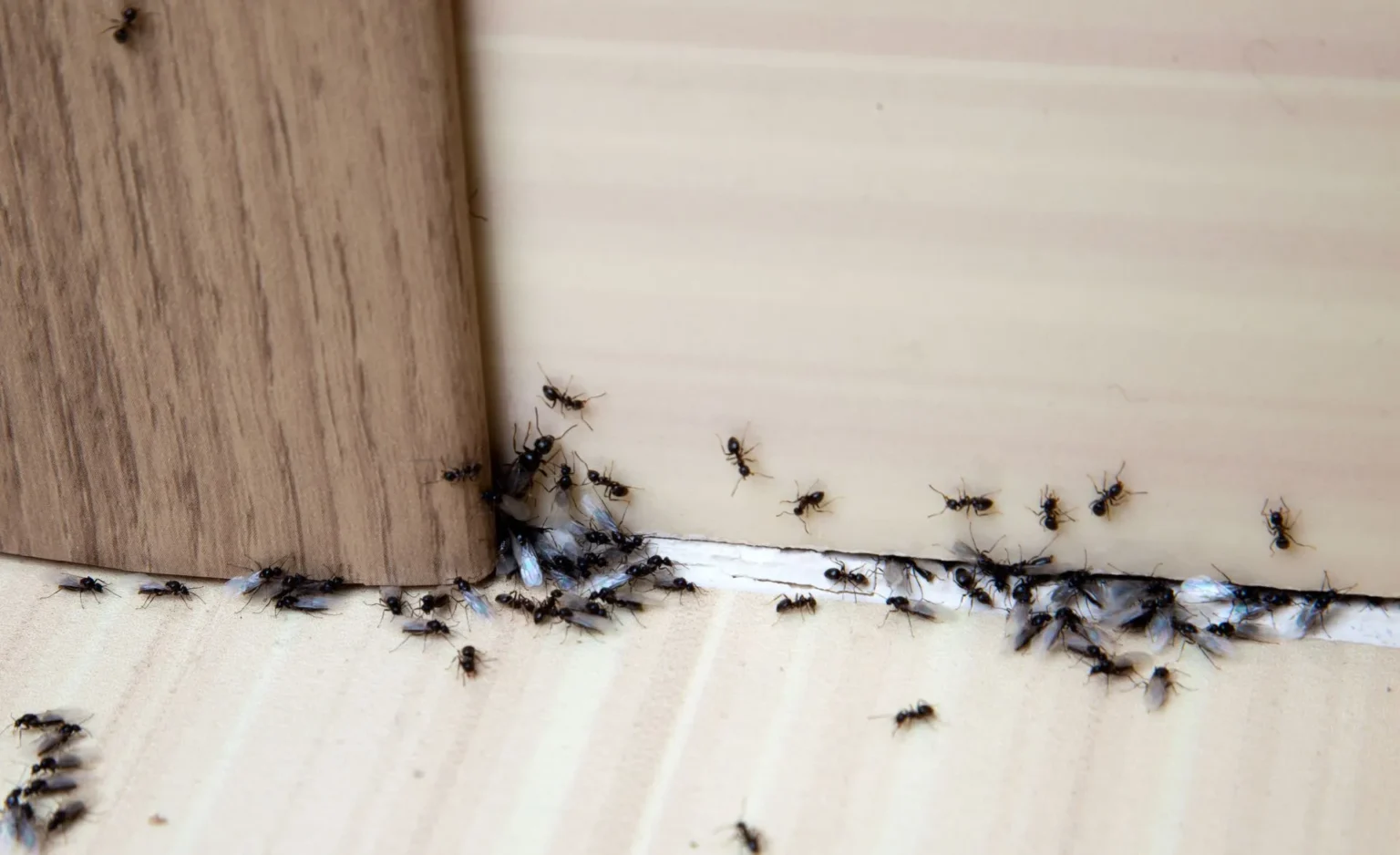
Weather does not create pest problems out of thin air, but it changes the pace, scale, and timing of them in ways property owners often underestimate. A mild winter can let insect populations carry over in larger numbers. A wet spring can push ants, mosquitoes, and termites into active breeding cycles. A dry summer can drive rodents and cockroaches indoors in search of water. Then a cold snap arrives and suddenly spiders, stink bugs, and mice start showing up inside walls, attics, and basements.
That pattern is familiar to anyone who works in Pest Control Services for more than a season or two. The busiest periods rarely happen by accident. They follow weather swings, soil conditions, humidity, and temperature trends. If you have managed residential or commercial property through several years of changing weather, you start to see the same truth repeat itself: pest pressure is seasonal, but it is also highly responsive to unusual weather.
That matters because most pest issues are easier and less expensive to prevent than to chase after they are fully established. A homeowner may not think much about a line of ants after a week of rain, or a property manager may dismiss one mouse sighting after the first frost. But weather often acts like a trigger. It changes pest movement, breeding, feeding, and sheltering behavior. Once that shift starts, the need for professional treatment can go from occasional to urgent.
Weather is one of the strongest pest pressure variables
Pests are opportunists. They respond to environmental conditions faster than most people do. When temperatures rise, development speeds up for many insects. When rain increases standing water, mosquito breeding expands. When soil becomes soaked, subterranean termites may alter foraging patterns. When a drought sets in, pests that usually remain outdoors begin looking for moisture indoors.
A key point that often gets missed is that pests do not all respond to weather the same way. Warm, humid conditions may explode one population while suppressing another. Heavy rain can temporarily reduce visible insect activity in one area, then create a rebound a week later when moisture and organic matter collect near foundations. A single weather event can also affect multiple pest species in different ways at the same property.
This is one reason reactive pest control tends to disappoint people. They notice the visible symptom, maybe ants in the kitchen or wasps under the eaves, but the larger driver is environmental. If the weather pattern that encouraged that activity continues, the problem often does too. Good Pest Control Services do more than apply a treatment. They interpret what the current conditions are likely to produce next.
Warm winters change the baseline
One of the clearest shifts in recent years has been the effect of milder winters in many regions. Traditionally, prolonged cold helped reduce populations of some insects and slowed the activity of many pests enough to create a predictable offseason. That is less reliable when winter temperatures fluctuate or stay above normal for extended periods.
A warm winter can leave behind more overwintering pests than expected. That includes ants, cockroaches, ticks, and some stinging insects. Rodents may remain active for longer stretches instead of settling into more limited winter movement. Insects that would normally die off in greater numbers survive in wall voids, crawl spaces, leaf litter, or protected outbuildings.
For homeowners, this often shows up as an unusually early spring pest season. Calls start weeks ahead of the normal pattern. Technicians begin seeing ant trails in March instead of April, or mosquito complaints not long after the first warm rain. For commercial properties, especially restaurants, warehouses, multifamily housing, and healthcare settings, a warm winter can erase the sense that there is a safe lull between major treatment periods.
That does not mean every mild winter leads to a severe pest season. A dry spring afterward can reduce some pressures. But as a rule, warmer cold seasons raise the floor. They create a higher starting population, which means less time before property owners need preventive service.
Rainfall can either suppress or intensify infestations
Rain complicates pest behavior more than temperature alone. Light, steady rain has very different effects than a week of storms or a month of flooding. Timing matters too. Spring rain after warming soil often supports breeding, nesting, and growth. Sudden heavy rain during peak activity can force pests out of harborage and into structures.
Ant activity is a good example. After soaking rain, ant colonies may relocate because underground nests become unstable or flooded. That is when residents notice them moving along baseboards, entering kitchens, or appearing around window frames. The ants were often already near the structure, but the weather pushed them into view.
Termite inspections are also shaped by rainfall patterns. Moist soil can support subterranean termite movement, while excessive wetness around foundations, wood piles, or expansion joints creates favorable conditions that should not be ignored. A technician who sees chronic drainage issues after storms pays attention for a reason. Repeated moisture around structural wood raises risk over time.
Mosquitoes are the obvious rain-related pest, though people often misunderstand the timing. They usually do not explode during the heaviest downpour itself. The bigger issue comes after, when buckets, clogged gutters, planters, low spots in lawns, and discarded containers hold water long enough for larvae to develop. In warm weather, that cycle can move quickly.
In commercial settings, rain can trigger another issue: sanitation breakdown around dumpsters, loading docks, and exterior storage. Wet cardboard, food residue, standing water, and inaccessible drain areas create excellent conditions for flies and cockroaches. A property might look manageable in dry conditions, then become much harder to control after repeated storms.
Drought sends pests indoors
People tend to associate pest outbreaks with wet weather, but extended dry periods can be just as important. During drought, food and moisture become harder to find outdoors. That shift changes movement patterns for pests that might otherwise stay in landscaping, sewers, alleys, crawl spaces, or detached sheds.
Cockroaches are especially responsive to moisture stress. https://andrerdhh856.opalvector.com/posts/signs-you-need-professional-pest-control-services-right-away In multifamily buildings and commercial kitchens, a small plumbing leak is enough to become a magnet when the surrounding environment is dry. Rodents also become more aggressive in seeking interior water sources. Condensation lines, pet bowls, utility rooms, mop closets, and under-sink drips attract activity.
Spiders often become more noticeable during dry spells too, not because drought creates spiders directly, but because their prey moves indoors first. The same chain reaction can happen with centipedes and occasional invaders such as crickets or beetles.
Drought also affects the ground around buildings. Soil can shrink away from slabs and foundations, opening small access points that pests exploit. Gaps around utility penetrations that looked minor in spring can become meaningful entry routes by late summer. This is where the physical side of Pest Control Services matters. Exclusion work, sealing, screening, and moisture management often become more valuable than repeated spot treatments.
Heat speeds up life cycles
High temperatures do not just make pests more active. For many species, heat accelerates development. Eggs hatch faster, immature stages mature sooner, and breeding intervals tighten. That can turn what looked like a manageable issue into a recurring one.
German cockroaches are a classic example in hot indoor environments, especially where food and water are available. Flies also thrive when warmth combines with moisture and organic material. Stored product pests can become more active in overheated storage spaces. Fleas often surge in warm periods, particularly in shaded yards, under decks, or in homes with pets where humidity stays moderate.
Extreme heat creates another practical problem. Some treatments have to be timed carefully because environmental conditions affect performance. A professional does not simply apply the same product the same way in every season. Surface temperature, UV exposure, rainfall forecast, and pest biology all influence what approach makes sense. That is part of why experienced operators adjust service schedules during heat waves.
There is also a visibility issue. In very hot weather, some pests reduce daytime activity and become active at night. Property owners may think the issue has improved because they see fewer insects in daylight, while trap counts or after-hours inspections tell a different story. Restaurants, warehouses, and supermarkets encounter this often. The daytime floor may look fine, but night monitoring reveals active movement along warm equipment lines, drains, and storage areas.
Cold snaps trigger indoor invasions
When temperatures drop suddenly, pests look for stability. Homes and buildings offer it. Warmth, shelter, and predictable moisture pull in rodents, spiders, and a wide range of overwintering insects. This is when tiny construction flaws turn into pest highways.
Mice can enter through openings far smaller than most people expect. Gaps under garage doors, utility penetrations, roofline voids, and damaged vent screens become active entry points as outdoor conditions worsen. Once inside, rodents do not need much to settle in. Insulation, stored paper goods, pet food, and hidden water access are enough.
Boxelder bugs, stink bugs, and cluster flies also become seasonal nuisances during cooling weather. They often gather on sunlit exterior walls first, then work into attics, siding gaps, and window assemblies. The problem may feel sudden to occupants because the insects appear all at once indoors, but the movement often started outside weeks earlier.
Cold weather service calls frequently reveal a gap between treatment and prevention. A homeowner may ask for removal after hearing scratching in the attic, but the long-term fix includes sealing entries, trimming back contact points, correcting door sweeps, and reviewing food storage. The pesticide or trap is only part of the answer.
Humidity may be the quiet factor people miss
Temperature gets the attention, but humidity often decides whether a pest issue really takes hold. Many insects lose water rapidly and need humid microenvironments to thrive. That is why crawl spaces, basements, behind-appliance voids, and poorly ventilated utility areas can remain active even when the larger building seems dry.
Silverfish, springtails, drain flies, and certain ant species are often tied to humidity problems. Termite risk also rises when moisture accumulates around structural wood, whether from drainage failure, plumbing leaks, or condensation. Mold and decaying organic matter can further attract insects that feed on damp materials or the organisms growing on them.
This is where professional judgment matters. Not every moisture-related pest issue calls for aggressive chemical treatment. Sometimes the right move is to reduce humidity, improve airflow, repair leaks, and remove debris. A good technician knows when to say the building conditions are the problem, not just the pest.
Why weather-driven pest problems surprise property owners
Most people notice pests only when numbers become visible. By then, the weather conditions that caused the increase may have been building for weeks. A rainy month, followed by warming temperatures, followed by a few dry days, can create exactly the kind of conditions that produce a sudden surge in ants or mosquitoes. To the property owner, it feels abrupt. To someone in the field, it is predictable.
There is also a tendency to compare one year to the last one too directly. If a customer did not need service until midsummer last year, they assume the same timeline will hold this year. But weather disrupts those expectations. A ten-day warm spell in late winter can shift activity much earlier. Repeated storms can overwhelm exclusion weaknesses that did not matter during a dry year. One unusually humid season can expose every hidden plumbing flaw in an older building.
This is especially true in multifamily and commercial environments, where one unit or one tenant space can become the source for a wider problem. Weather pressure does not respect lease lines. If rainfall drives pests into one section of a building, shared walls, plumbing chases, and utility pathways let them spread.
What smart prevention looks like as seasons change
The most effective use of Pest Control Services is not waiting for a visible infestation. It is matching inspection and prevention to the season ahead. That usually means changing focus as weather changes, rather than relying on the same checklist year-round.
Here are the seasonal pressure points that tend to matter most:
- Early spring calls for drainage review, termite inspection, and monitoring for ant and mosquito activity.
- Summer demands attention to standing water, food sanitation, exterior harborage, and heat-driven breeding cycles.
- Fall is the time to seal entry points, inspect attic and crawl space access, and prepare for rodent movement indoors.
- Winter favors interior monitoring, moisture control, and identifying overwintering insect access routes.
- Any period of unusual weather, such as flood conditions or prolonged drought, justifies an extra inspection.
That kind of seasonal planning saves money because it catches structural and sanitation issues before population growth makes treatment more intensive. It also reduces the frustration of repeat call-backs. Many repeat infestations are not treatment failures in the usual sense. They are unresolved environmental problems that weather keeps amplifying.
Residential and commercial properties do not face the same risks
A single-family home with a small yard, decent drainage, and regular maintenance may only need periodic treatment plus targeted seasonal inspections. A large commercial property, by contrast, can have dozens of microclimates. Loading docks, roof drains, grease areas, irrigation zones, floor drains, exterior lighting, compactors, and neighboring vacant units all affect pest pressure.
Restaurants are vulnerable during heat and humidity because food residue and moisture combine with warm harborage. Warehouses often struggle during weather transitions, when rodents move in from fields or perimeter vegetation. Apartment buildings tend to show the strongest weather effects when pests move between units in search of water or warmth. Offices can appear low-risk until rain reveals hidden fly breeding near drains or roof leaks.
That is why weather-driven pest management should never be one-size-fits-all. Two properties on the same street can need different strategies depending on age, landscape design, construction type, sanitation discipline, and occupancy patterns.
Signs that weather is driving the problem
Some clues come up again and again in the field. Ants appearing right after heavy rain. Rodent complaints rising during the first cold stretch. Mosquito activity spiking about a week after repeated storms. Cockroaches turning up in dry utility areas during drought. Springtails and moisture-loving insects clustering near windows after humid weather.
A few warning signs deserve fast attention:
- New pest activity following a sharp weather change
- Repeated sightings near water sources or exterior doors
- Increased insect presence in basements, crawl spaces, or attics
- Rodent noises or droppings as temperatures cool
- Swarms, trails, or recurring activity in the same location after rain
These are not always emergencies, but they are signals. They suggest the environment has shifted in a way that favors pests, and that the problem may spread if left alone.
The value of timing in Pest Control Services
Timing is often the difference between control and containment. If a treatment is applied before peak breeding, it may suppress a problem efficiently. If service begins after pests are established in wall voids, nesting areas, or inaccessible moisture zones, the process usually takes longer and may require multiple methods.
This is where professionals earn their value. The best operators are not just applying products. They are reading conditions. They know when a mosquito complaint points to standing water on-site versus off-site pressure from nearby retention areas. They know when ant activity likely reflects nest displacement after rain. They know when a rodent issue is seasonal migration and when it signals a year-round structural vulnerability.
Property owners benefit when they stop thinking of pest control as an occasional emergency purchase and start treating it as environmental management. Weather will always shift. Pest behavior will shift with it. Buildings that adapt through inspection, exclusion, moisture control, sanitation, and timely service stay ahead of the cycle.
The practical takeaway is simple. If the weather has changed sharply, your pest risk probably has too. That is the moment to inspect, correct conditions, and bring in Pest Control Services before a temporary nuisance becomes a settled infestation.
Affordable Pest Solutions LLC
Phone number: +19732299547
FAQ About Pest Control Services
How much does pest control charge?
For a standard 1,500-square-foot home, professional pest control charges generally average $100 to $300 for an initial visit, with ongoing monthly services running $40 to $75 per visit and one-time emergency exterminations costing $100 to $600, depending heavily on the specific pest and the severity of the infestation.
What is the hardest pest to get rid of?
Bed bugs are widely considered the hardest household pest to get rid of, closely followed by German cockroaches and subterranean termites.
What is included in a pest control service?
A standard pest control service includes a property inspection, targeted treatments, and prevention advice. It typically covers common pests like ants, spiders, and cockroaches, using sprays, baits, or traps.