How Often Should You Schedule Pest Control Services?

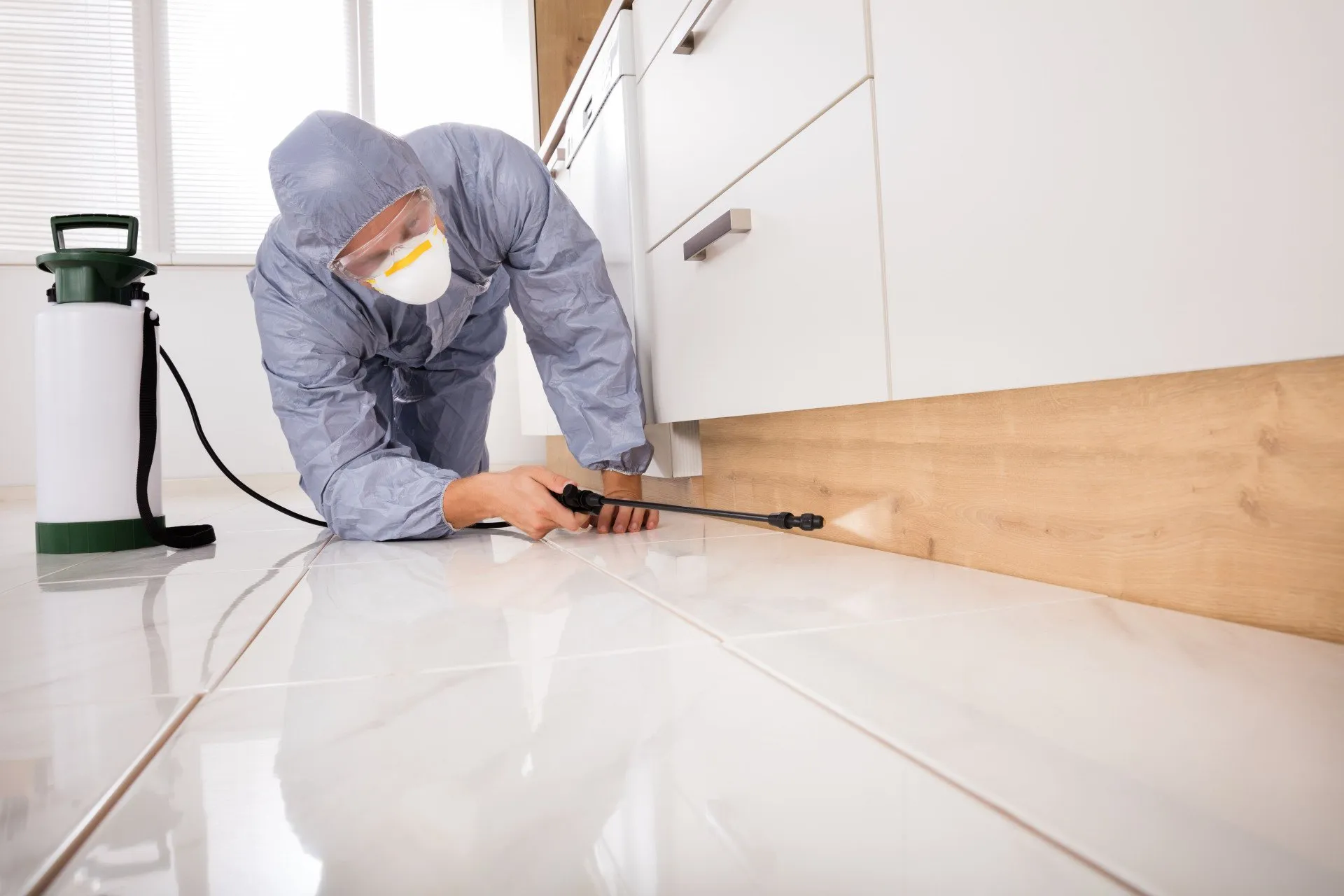
If you have ever asked a pest control professional how often service should be scheduled, you have probably heard the least satisfying answer in home maintenance: it depends.
That answer is still the honest one.
A downtown apartment with occasional ants does not need the same treatment schedule as a restaurant with rear-alley dumpsters, a suburban home backed up to woods, or a warehouse that stores paper goods through humid summers. Climate matters. Construction type matters. Pets matter. Previous infestations matter. So does the simple fact of how much risk you are willing to tolerate before you want action taken.
Still, most property owners are not looking for a philosophical answer. They want a practical one. How often should you actually book Pest Control Services so you are not overspending, but you are also not waiting until mice are in the pantry or termites have had a head start?
The most useful way to think about scheduling is to match the service interval to the pest pressure on the property. In low-pressure situations, annual or as-needed service may be enough. In average residential settings, quarterly visits are common for good reason. In high-pressure environments, monthly treatment and monitoring often make more sense. The right schedule sits at the intersection of prevention, seasonality, and the cost of letting a small issue become a large one.
Why timing matters more than most people realize
People tend to call after they see a problem. That is understandable, but pests do not start causing trouble on the day they become visible. By the time a homeowner notices droppings under the sink, a trail of ants across the counter, or scratching in the attic, the activity has usually been building for days or weeks.
Preventive service works because it interrupts that build-up. A good technician is not just spraying baseboards and leaving. They are inspecting moisture sources, spotting vulnerable entry points, noticing frass, nests, grease marks, gnawing, and habitat conditions that most owners miss because they are not trained to look for them. In practice, this is often where the real value of Pest Control Services lies.
I have seen this play out in ordinary homes many times. One customer delayed service because she thought the occasional roach she saw in the garage was harmless. By late summer, those occasional sightings had turned into regular kitchen activity after heavy rain pushed insects indoors. Another client insisted he only needed service when he saw spiders. During the inspection, we found rodent rub marks around a utility penetration behind stored paint cans. He had not noticed them. The spider issue was minor. The developing mouse issue was not.
Regular scheduling catches problems at the stage when they are cheaper, simpler, and less disruptive to address.
The common service intervals and when they fit
Most recurring pest programs fall into a few familiar rhythms: monthly, bi-monthly, quarterly, and annual. None of these schedules is automatically right or wrong. Each one solves a different kind of problem.
Quarterly service is the default recommendation for many single-family homes because it balances prevention with cost. Four visits a year allow a technician to respond to changing seasons, renew exterior barriers where appropriate, and inspect conditions before they turn into infestations. For a typical home dealing with ants, spiders, occasional roaches, and seasonal invaders, this cadence is often enough.
Monthly service is more common for businesses, multi-unit properties, homes with chronic pest pressure, or households in warm, humid areas where activity stays high for much of the year. It is also a sensible temporary step after a serious infestation. If German cockroaches, bed bugs, or rodents are active, monthly follow-up is often necessary until control is established. In these cases, a lighter schedule is usually false economy.
Bi-monthly service sometimes works for homes that need more than quarterly oversight but do not face intense pest pressure. It is not offered by every company, but it can be a useful middle ground, especially in regions with long warm seasons.
Annual service is best reserved for very low-risk properties, or for highly specific inspections such as a yearly termite check where local conditions support that approach. It can also fit vacation homes that remain sealed and closely monitored, though even then, annual visits can be too sparse if the structure has moisture issues or sits near dense vegetation.
One way to frame it is simple: the more food, water, shelter, and entry opportunities a property offers, the shorter the service interval should be.
For most homes, quarterly is the practical baseline
If you want a starting point without overcomplicating it, quarterly service is where many professionals begin. There is a reason it has become the industry standard for general household protection.
Each season changes pest behavior. Spring brings ant foraging, termite swarms in many areas, and renewed insect activity as temperatures rise. Summer often means peak pressure from stinging insects, mosquitoes in suitable climates, and faster breeding cycles for roaches and flies. Fall pushes rodents, spiders, and overwintering insects indoors. Winter is quieter outside, but it is exactly when hidden interior activity can continue unnoticed.
A visit every three months lets a technician adjust with those shifts. It also gives enough frequency to track patterns. One of the most useful things in pest management is comparing what you see now with what was happening one or two visits ago. Are droppings increasing? Are bait stations untouched or depleted? Has moisture under the crawlspace changed? Are ant trails recurring in the same wall void after rain? Those observations guide whether the schedule should hold steady or tighten.
Quarterly service is also easier for homeowners to stick with. Monthly appointments can feel excessive if the property is relatively stable. Annual service often feels cheaper until you factor in the cost of emergency callouts, damaged food, chewed insulation, or the stress of dealing with an avoidable infestation.
When monthly service is the smarter choice
There are situations where monthly Pest Control Services are not upselling, they are simply appropriate.
Restaurants are the clearest example. Food, water, grease, cardboard, drains, and frequent deliveries create ideal pest conditions. Even a well-run kitchen benefits from regular monitoring. The same goes for grocery storage, hospitality, health care facilities, and many multi-family buildings where one tenant's housekeeping habits can affect several units.
Residential properties sometimes need monthly service too. Older homes with gaps and settling, homes bordering open fields or wooded lots, and houses with crawlspaces that stay damp tend to experience persistent pressure. So do homes with heavy clutter, pet food left out overnight, bird feeders near entry doors, or dense shrubbery touching the foundation.
Then there are pests that rarely respond well to a casual schedule. German cockroaches, for example, multiply quickly and hide in warm, tight spaces near food and moisture. A one-time visit followed by a long gap almost never solves the problem. Rodent work often needs close follow-up as well, especially in the first month or two. It is not enough to place bait or traps and hope for the best. Openings need to be identified, captures monitored, sanitation improved, and the level of activity rechecked.
If you have ever moved into a property after a long vacancy, monthly service for the first 60 to 90 days can be especially wise. Empty buildings often become pest-friendly because minor leaks go unnoticed, doors do not seal well, and there is no daily human activity to disturb nesting behavior.
Some problems need a custom timeline, not a subscription
Not all pest issues fit neatly into a recurring calendar.
Termites are a good example. In many cases, treatment follows one schedule and inspections follow another. A home may have a termite baiting system that requires regular monitoring, while a neighboring property with no active issue might only need a periodic inspection based on regional risk. The right frequency depends heavily on the treatment method, construction style, soil contact, moisture, and local termite pressure.
Bed bugs are another category where fixed routine service is less relevant than a structured treatment plan. Follow-up visits may happen every one to three weeks depending on the product used, the severity of the infestation, and whether laundering, heat, encasements, and clutter reduction are being done properly. That is not really preventive maintenance. It is targeted eradication.
Wildlife removal works similarly. If squirrels are entering an attic, the core issue is exclusion. Trapping or one-way doors may be part of the process, but the long-term solution lies in sealing the access points and correcting attractants. After that, the property might shift back to a more typical general pest schedule.
The lesson here is that recurring service is excellent for many pests, but not every pest problem should be treated like a lawn fertilization plan. Some issues need concentrated intervention, then a different maintenance rhythm once the immediate threat is gone.
Climate and geography change the answer
A homeowner in Arizona, Florida, Minnesota, and coastal Oregon may all ask the same question and deserve four different recommendations.
Warm, humid climates generally support longer pest seasons and faster reproduction. In these areas, insects remain active for much of the year, and monthly or bi-monthly attention may be justified. In colder regions, winter can provide a natural slowdown outdoors, but indoor pests remain a concern, especially rodents and overwintering insects.
Rainfall patterns matter too. Heavy rains often drive pests inside. Drought can do the same as insects and rodents search for water. Properties near creeks, retention ponds, wooded edges, agricultural land, or dense landscaping almost always carry a different risk profile than homes in sparse, newer developments with clean grading and fewer harborage zones.
Even within the same neighborhood, micro-conditions matter. I have seen one home on a street deal with recurring earwigs and millipedes because of deep mulch, irrigation overspray, and shade, while the house two doors down had almost no activity thanks to better drainage and less foundation vegetation.
This is why a good technician asks detailed questions rather than quoting a generic schedule over the phone and leaving it at that.
Signs you should increase service frequency
If you are already on a recurring plan and still seeing activity, that does not always mean the program has failed. It may mean the timing is too loose for the pressure level, or that a structural or sanitation issue is undermining treatment.
These are the situations where I would seriously consider shortening the interval:
- You are seeing live pests between scheduled visits more than occasionally
- The property has had a recent infestation that is not fully stabilized
- Moisture, clutter, food storage, or exclusion problems are still being corrected
- You manage a business or multi-unit property with constant traffic and deliveries
- The home borders high-risk habitat such as woods, water, or unmanaged lots
A shorter schedule is especially helpful during transition periods. If you just bought an older home, completed a remodel that opened wall voids, or inherited a property with neglected maintenance, more frequent visits for the first several months can reset the situation. Once activity drops and vulnerabilities are corrected, the plan can often be scaled back.
Signs you may be able to reduce service
The reverse is also true. Some people stay on a high-frequency plan long after the reason for it has passed.
If a home has gone a year or more with minimal findings, no repeat interior activity, good exclusion, dry crawlspaces, trimmed vegetation, and sound food-storage habits, it may be reasonable to move from monthly to quarterly, or from bi-monthly to quarterly. In certain low-pressure cases, you may even decide on annual inspections plus as-needed treatment.
The key is not wishful thinking. Reduce frequency based on documented stability, not because the last couple of weeks happened to be quiet. Pest activity is cyclical. A proper reduction should be a deliberate decision made after reviewing what has actually been happening across seasons.
What a good schedule looks like in real life
Homeowners often imagine pest control as a product schedule, but the better way to think about it is as a property management schedule. The treatment matters, of course, but so do inspection notes, environmental changes, and follow-through.
A useful service rhythm usually includes a technician who notices when weatherstripping has failed, when mulch is too high against siding, when garage clutter is creating mouse cover, or when condensation under a sink is supporting roach activity. These details matter as much as any spray or bait.
That is one reason the cheapest service is not always the best value. If a company races through in seven minutes and never checks the attic hatch, crawl access, utility penetrations, or exterior conditions, frequency alone will not save https://holdenbjtt865.readspirex.com/posts/pest-control-services-for-humid-areas-prone-to-infestations you. On the other hand, a thorough quarterly program can outperform a careless monthly one.
When comparing providers, ask what happens between visits. Do they offer callbacks if pest activity flares up? Do they inspect as well as treat? Do they handle exclusion recommendations, or do they only apply products? Do they explain why they are suggesting a monthly versus quarterly cadence? Those answers reveal a lot.
The cost question people are really asking
When someone asks how often they should schedule Pest Control Services, cost is usually sitting just beneath the surface. Nobody wants to pay for visits they do not need.
That instinct is fair. But there is a big difference between efficient prevention and delayed reaction.
Quarterly service might cost more across a year than one annual visit, but it can be far cheaper than replacing contaminated pantry goods, repairing rodent-damaged ductwork, or paying for repeated emergency treatments after pests become established. The same logic applies to commercial properties, where one visible pest sighting can create customer complaints, health concerns, and reputational damage that far outweigh routine service costs.
The right question is not simply, "What is the cheapest schedule?" It is, "What schedule keeps the risk at an acceptable level for this property?" For many owners, that answer lands on quarterly. For some, it is monthly. For a few, lighter service is enough.
A sensible way to decide
If you are unsure where to begin, start with an inspection and a frank assessment of the property. A good provider should look at construction gaps, sanitation, moisture, landscaping, previous infestations, and seasonal patterns, then recommend a schedule that fits those realities. If the recommendation sounds identical for every home, be cautious.
As a practical baseline, most average homes do well with quarterly Pest Control Services. Monthly makes sense for high-pressure environments, active infestations, commercial sites, and properties with persistent vulnerabilities. Annual service is usually too light for broad prevention, though it can fit select low-risk situations or specific inspection needs.
The best schedule is not the one that sounds the most comprehensive on paper. It is the one that matches your pest pressure, your building conditions, and your tolerance for risk, then adjusts when those conditions change. That is how effective pest management works in the field, and it is why the right answer has always been more about the property than the calendar.
Affordable Pest Solutions LLC
Phone number: +19732299547
FAQ About Pest Control Services
How much does pest control charge?
For a standard 1,500-square-foot home, professional pest control charges generally average $100 to $300 for an initial visit, with ongoing monthly services running $40 to $75 per visit and one-time emergency exterminations costing $100 to $600, depending heavily on the specific pest and the severity of the infestation.
What is the hardest pest to get rid of?
Bed bugs are widely considered the hardest household pest to get rid of, closely followed by German cockroaches and subterranean termites.
What is included in a pest control service?
A standard pest control service includes a property inspection, targeted treatments, and prevention advice. It typically covers common pests like ants, spiders, and cockroaches, using sprays, baits, or traps.